
Rich Off Knowledge
The Administrative Blueprint
Understanding covenant, estates, securities, and the home office model that governs all proper administration.
I. Who We Are
Rich Off Knowledge is an educational platform focused on:
We teach individuals how systems of law, records, and governance operate — and how to properly structure their affairs within those systems.
We are not selling shortcuts.
We teach structure.
II. What We Teach
1. Covenant
Covenant is the foundation of order.
It establishes responsibility, authority, obligation, and alignment.
We teach how covenant principles apply to:
- Family governance
- Estate structure
- Agreements
- Public obligations
Without covenant, administration collapses into confusion.
2. Estates
Every person operates within an estate framework.
An estate is not merely property after death. It is the legal and administrative container through which assets are held, obligations are recorded, authority is exercised, and succession is determined.
We teach:
- Estate foundation
- Record structure
- Administrative continuity
- Heirship principles
Order precedes inheritance.
3. Securities
Securities are instruments of obligation.
They function as evidence of debt, evidence of value, and evidence of contractual relationship.
We teach:
- How obligations are recorded
- How instruments flow through systems
- The importance of documentation
- Record & enforcement
Understanding securities means understanding modern commerce.
III. The Home Office: The Administrative Center
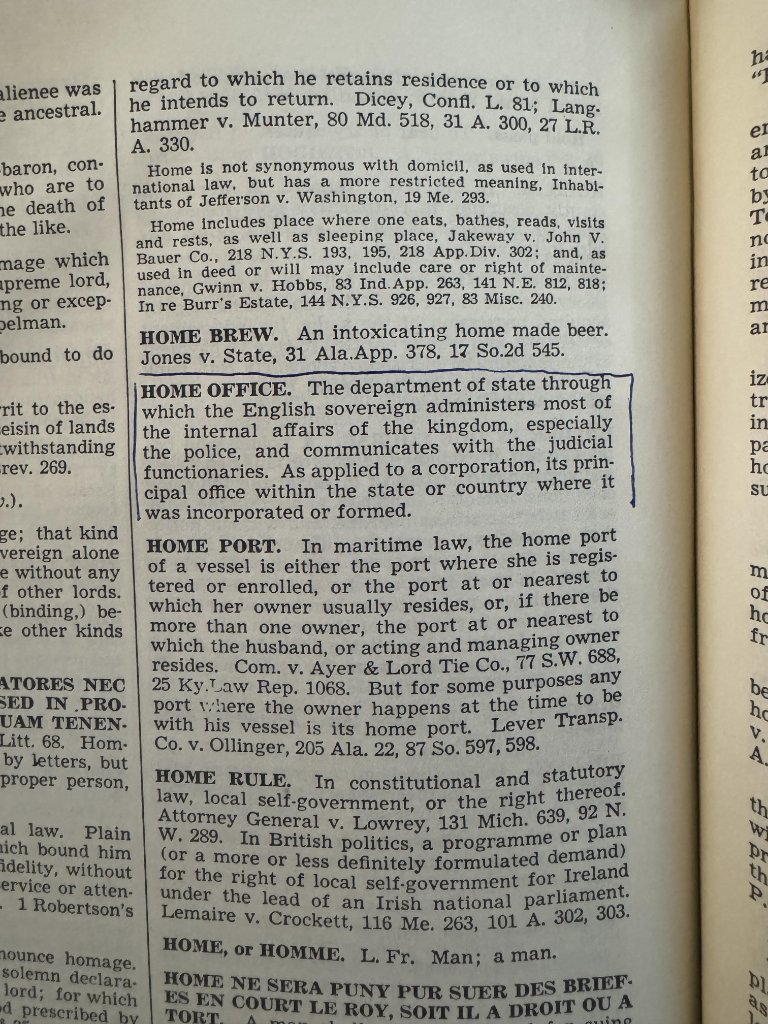
At the center of covenant, estates, and securities sits one concept: The Home Office
Two Primary Meanings
Historically
A department of state for the English sovereign managing internal affairs.
Corporately
The principal office of a corporation within its state or country of incorporation.
In both contexts, it represents:
The seat of administration and authority.
IV. Home vs House
House
A structure.
Home Office
An administrative center.
"Home" refers to:
- Jurisdiction
- Authority
- Record keeping
- Governance
V. Jurisdictional Anchor
A home office functions as a jurisdictional anchor, like a ship's home port, a corporation's principal office, or registered headquarters.
It is where:
- Records are centralized
- Authority flows from
- Ledgers are maintained
- Obligations are accounted for
Without an anchor, administration defaults elsewhere.
VI. Historical Context: The Sovereign's Home Office
Historically, the English Home Office managed:
- Police
- Courts
- Population records
- Birth registrations
- Estate administration
- Enforcement of obligations
It functioned as the nerve center of public trust. It maintained records of persons, status, obligations, and estates.
Administration requires records. Records require a principal office.
VII. Public Records as Trust Property
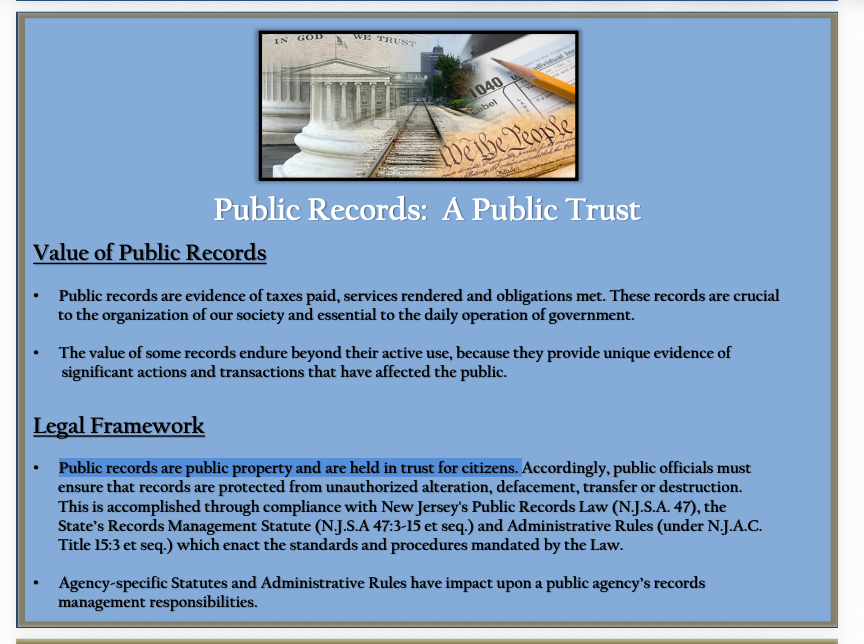
Public records operate as trust property. They are maintained in ledgers, recorded as evidence, and used to track obligations.
The Home Office acts as:
- Trustee's principal office
- Record-keeping authority
- Administrative headquarters
Where records are maintained, authority is exercised.
VIII. Control & Administration
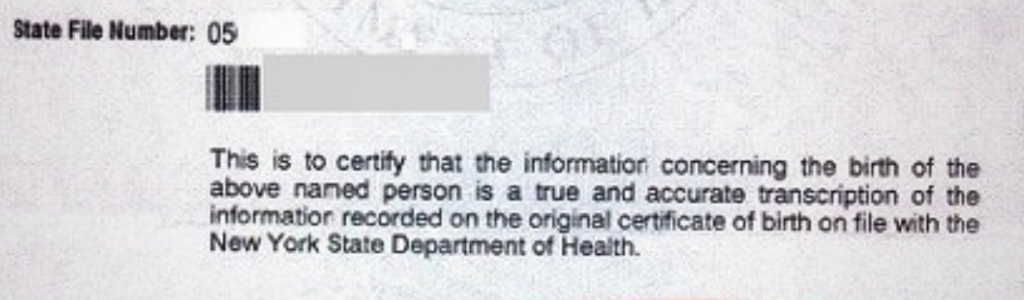
Administration requires participation. If individuals do not maintain their records, handle filings, understand documentation, or exercise oversight, then administration defaults to the managing authority.
We teach:
- The importance of proper documentation
- Administrative awareness
- Responsible governance of one's affairs
Control is exercised through administration.
Administration flows through record.
IX. Estates & Heirship
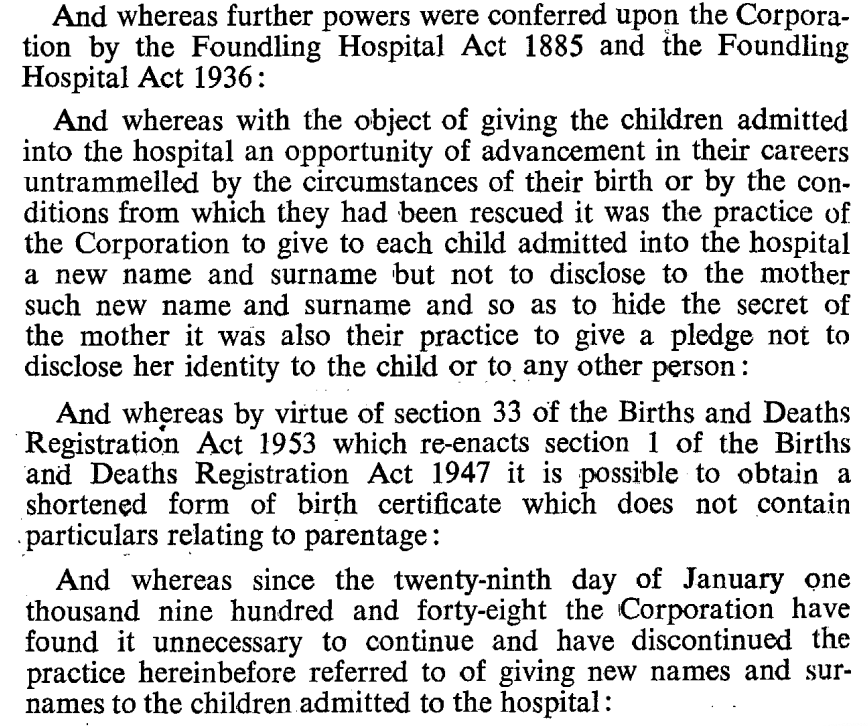
When parentage is unclear, status is disputed, or estate administration is absent, administration defaults to the sovereign structure or its modern equivalent.
An estate must have:
- An administrator
- A record
- A governing authority
X. Corporations & The Home Office Model
A corporation operates through its home office. It has a principal place of business, registered records, officers, and administrative control.
This model parallels broader administrative systems involving:
- Registered persons
- Estate frameworks
- Record-based governance
Authority flows from the registered office.
XI. The Flow of Authority
Covenant → Estate → Record → Administration → Enforcement
The home office sits at the center of this flow. It governs persons, records, entities, tax obligations, contracts, and administrative accountability.
Structure determines outcome.
XIII. Why This Matters
Modern life runs on contracts, registration, documentation, record systems, and administrative processes.
If you do not understand administration, you misunderstand governance.
If you misunderstand governance, you misunderstand obligation.
We teach clarity — not fantasy.
Structure — not speculation.
Order — not chaos.
Ready to Understand Your Administrative Foundation?
Get our comprehensive Home Office Blueprint and start building proper structure today.